
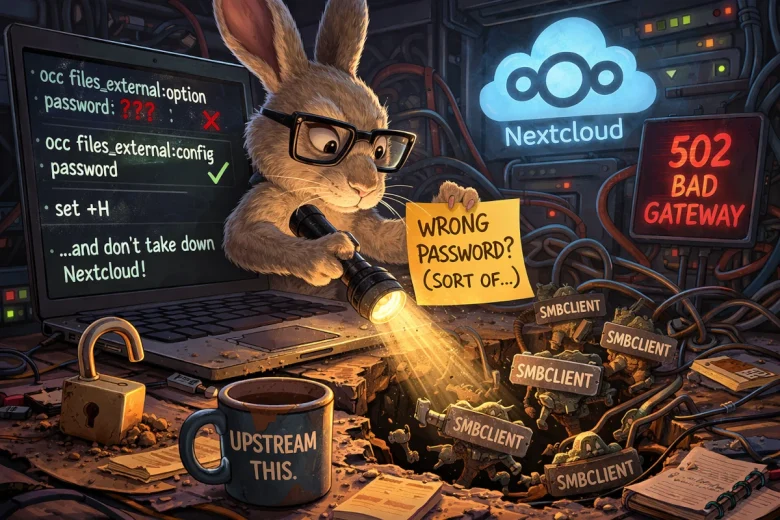
A stubborn Nextcloud SMB “wrong password” error turned into a deeper debugging rabbit hole involving process storms, plaintext credentials, and a misleading CLI command. What started as a routine fix ultimately uncovered a configuration footgun—and led to upstream bug reports.
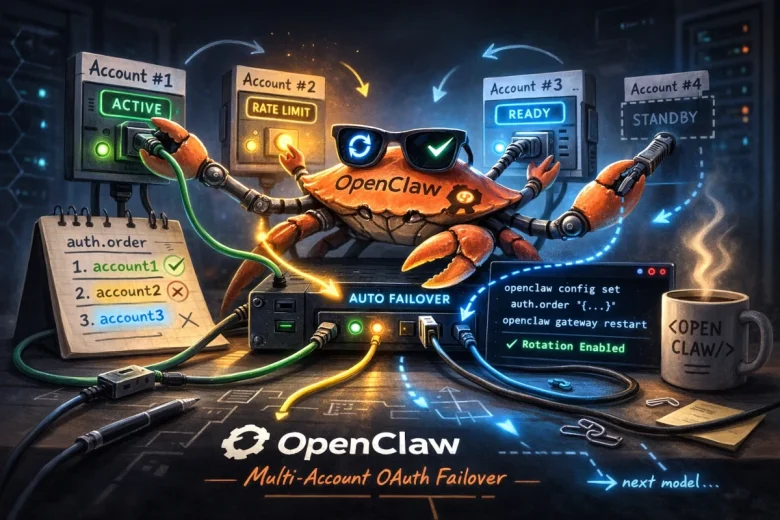
OpenClaw can automatically rotate between multiple Codex OAuth accounts to avoid rate limits and improve reliability. This guide shows how to configure two accounts, merge the generated auth profiles, and set the rotation order so OpenClaw transparently fails over when an account hits a limit or authentication error.
OpenClaw once promised transparency, openness, and a better path forward. But like a rusting arcade claw machine that never quite grabs the prize, the project became a symbol of expectations that slowly slipped away. What began with excitement and bold claims eventually revealed cracks—missed opportunities, fading momentum, and a growing gap between vision and reality. This article explores how those promises unraveled and what the story of OpenClaw can teach us about hype, trust, and the difficult work of building truly open systems.
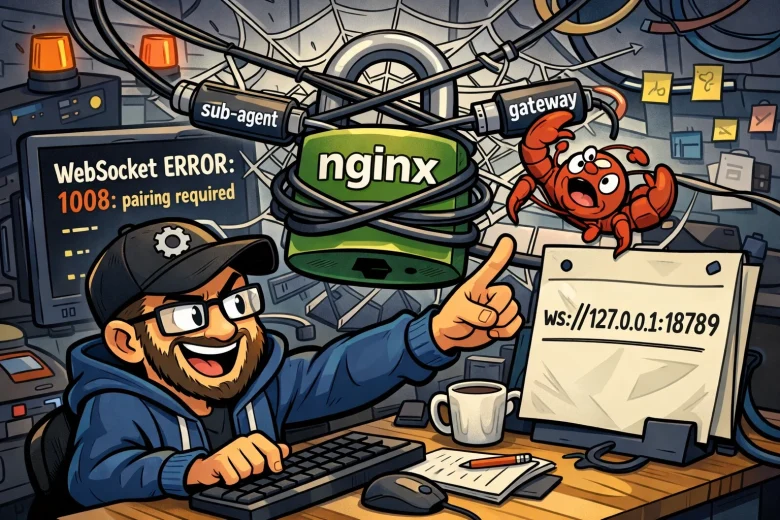
If your OpenClaw sub-agents keep dying with gateway closed (1008): pairing required, the fix isn’t what you’d expect. The device is paired, the token is valid — the problem is that sub-agents are routing back through your reverse proxy instead of talking to the gateway directly. Two config changes and a quick device approval after restart, and they’ll be spawning cleanly in parallel.